Short Trip
Phuentsholing · Thimphu · Paro
Ideal for a first taste or a long weekend.
- Hotels & daily breakfast
- Private vehicle & transfers
- Permits handled where needed

Dzongs, mountain passes and the Tiger's Nest climb — planned by a local team.
Bhutan is the rare Himalayan country that chose slow, careful tourism over volume. Fortress monasteries sit above river valleys, prayer flags cross every pass, and the capital still has no traffic lights.
For Indian travellers it is unusually easy. No visa is needed, the entry permit is issued at Phuentsholing, and our office is a short walk from that counter. Most trips run Phuentsholing to Thimphu, then Punakha across the Dochula Pass, finishing with the climb to Paro Taktsang — the Tiger's Nest.
Give it six or seven days. Bhutan rewards an unhurried pace, and the climb from Phuentsholing to Thimphu is best taken gently.
Every option can be changed — swap hotels, add days, or build something new.

Phuentsholing · Thimphu · Paro
Ideal for a first taste or a long weekend.
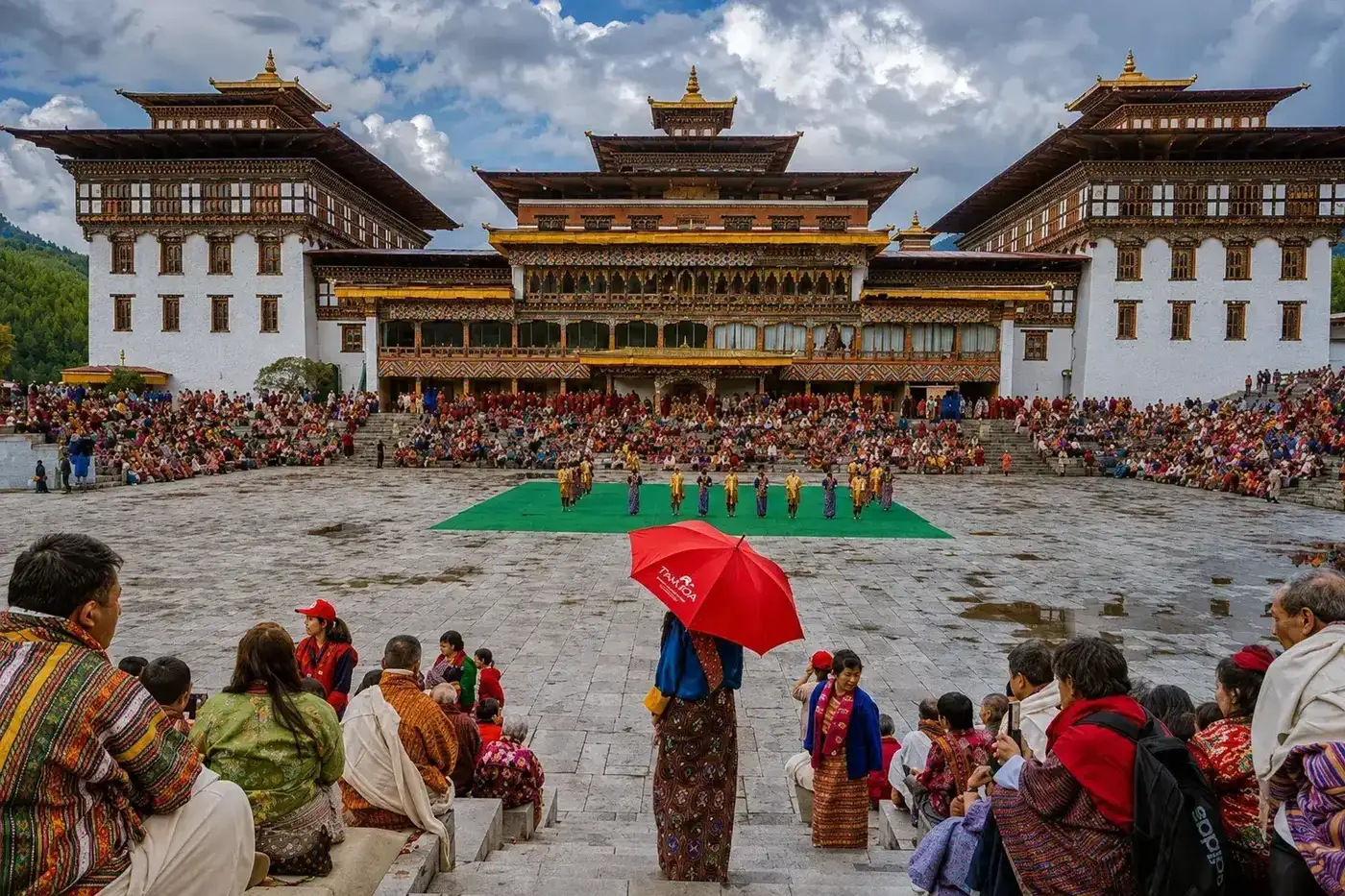
Thimphu · Punakha across Dochula Pass · · the Tiger's Nest climb from Paro.
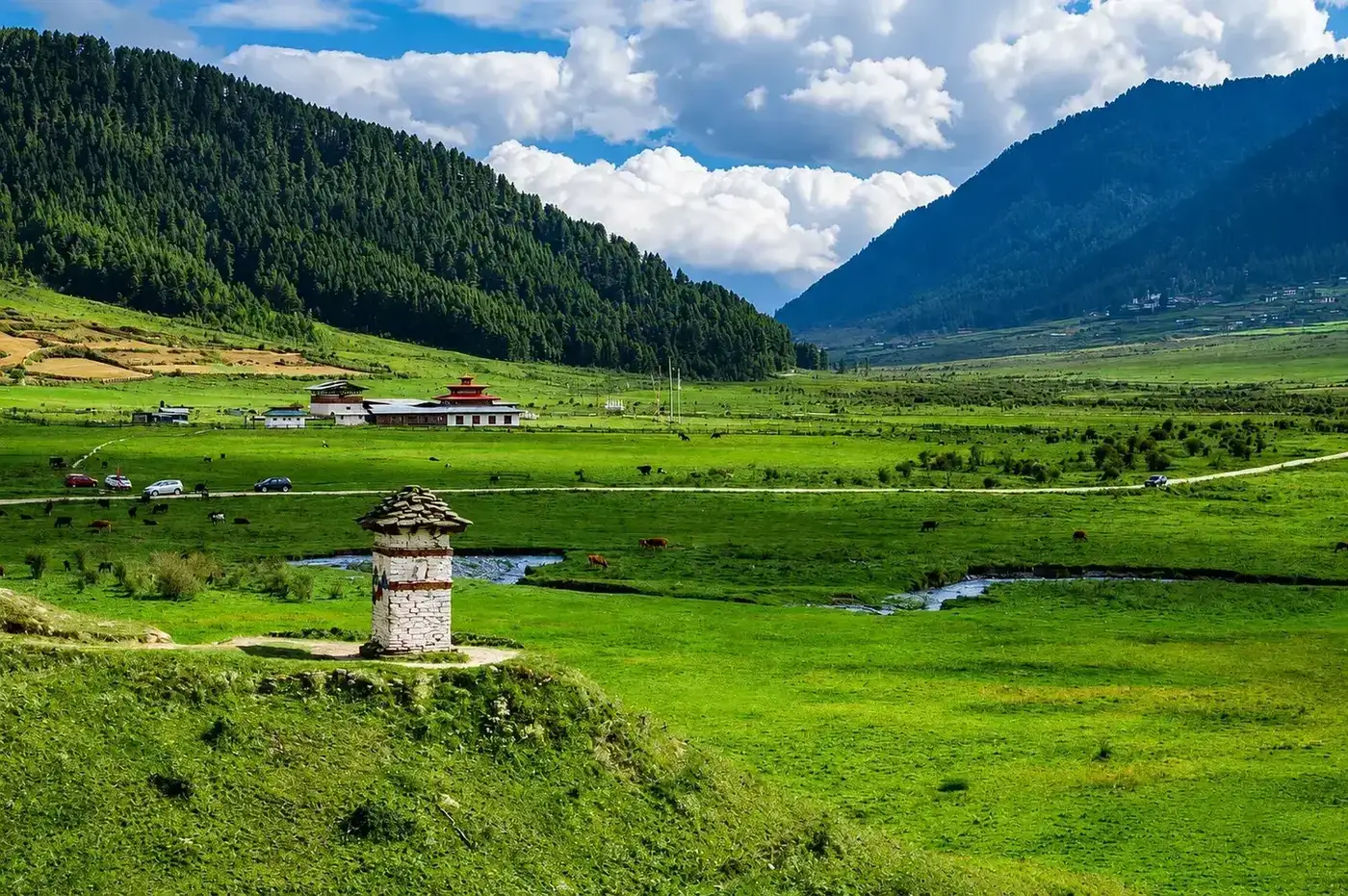
Add Phobjikha Valley · festival dates · or extend into Bumthang
Built around you.
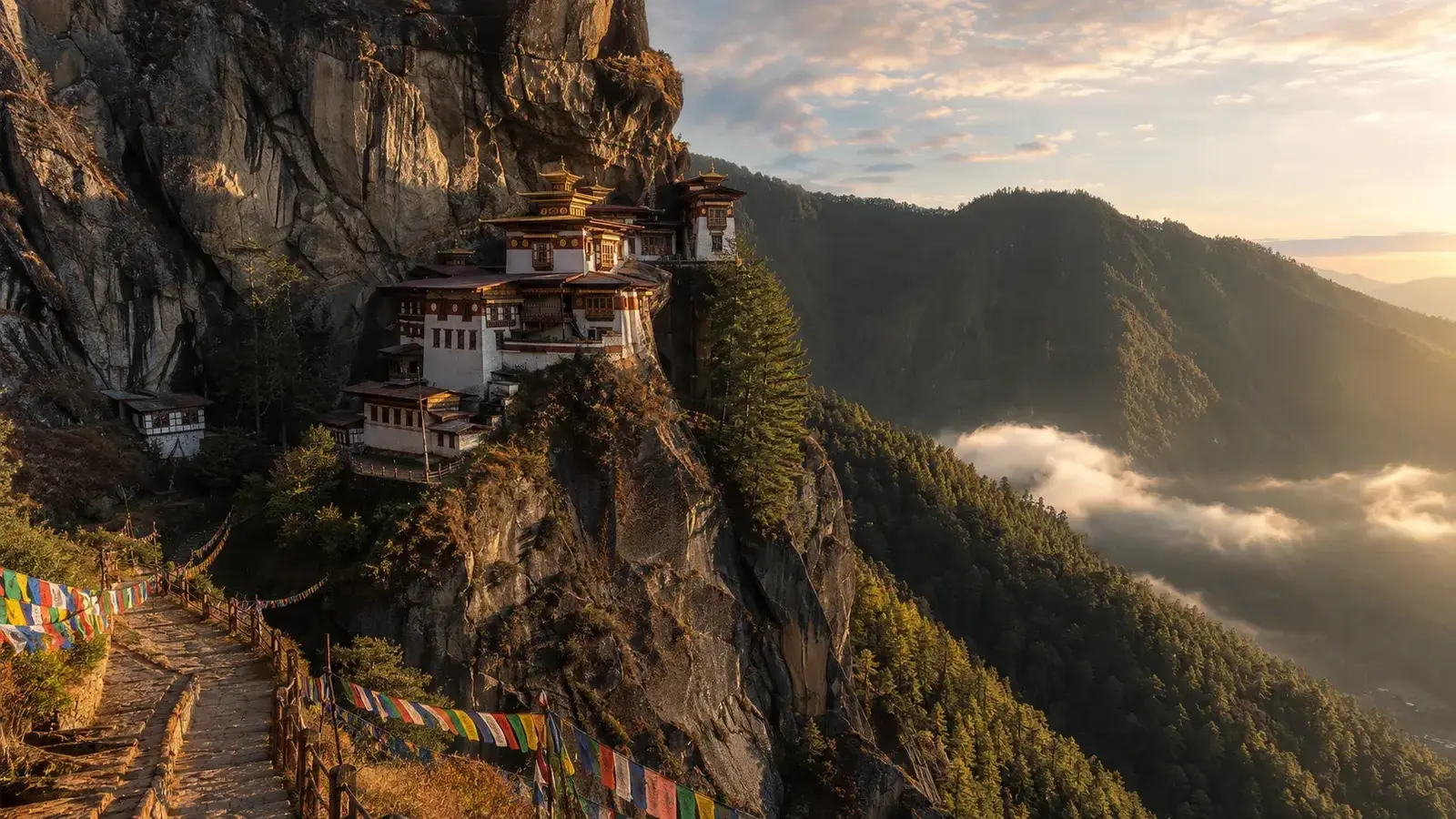
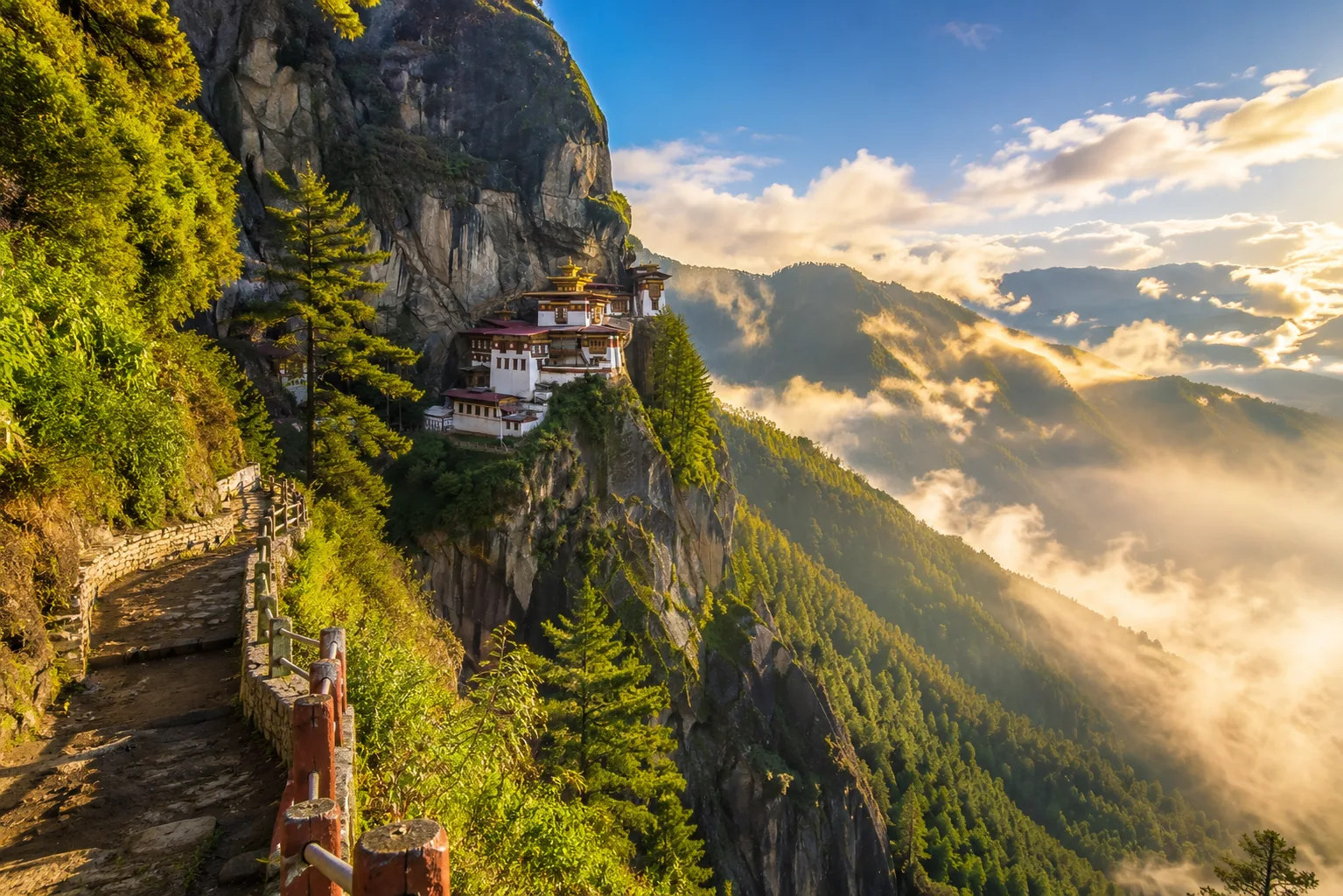
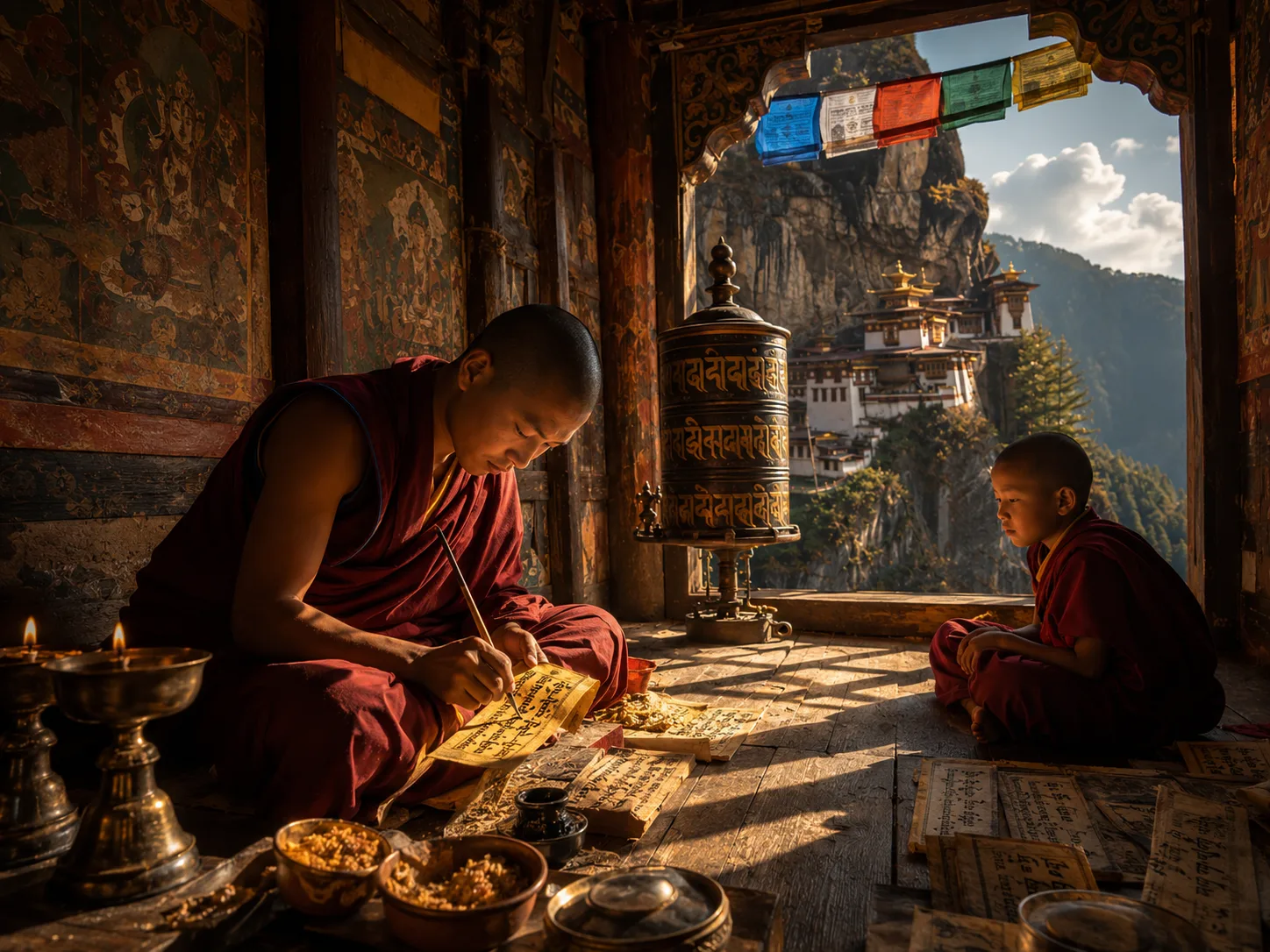
A monastery on a cliff face at 3,120 m. Four to five hours return on foot.
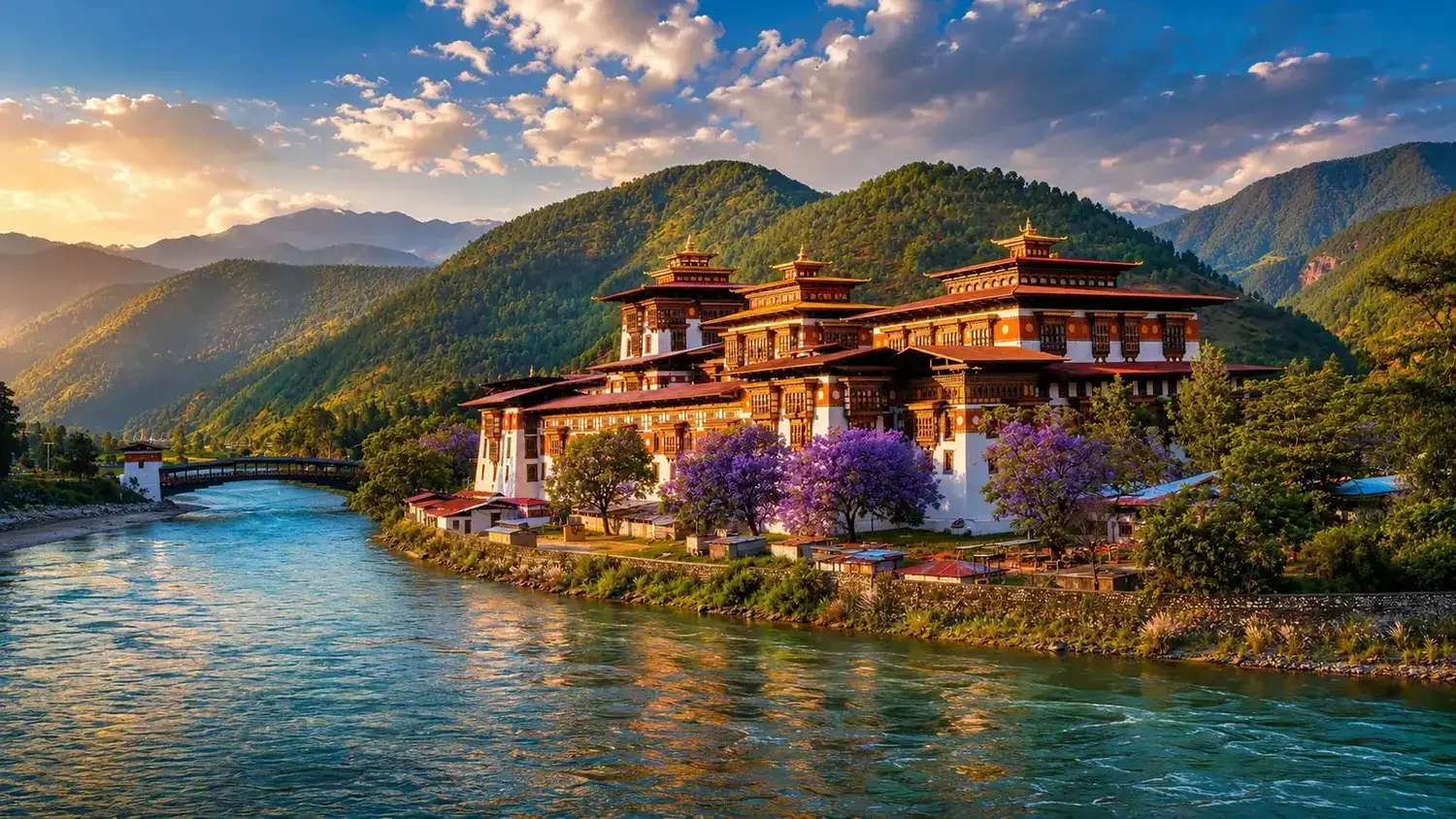
The most beautiful fortress in Bhutan, where two rivers meet.

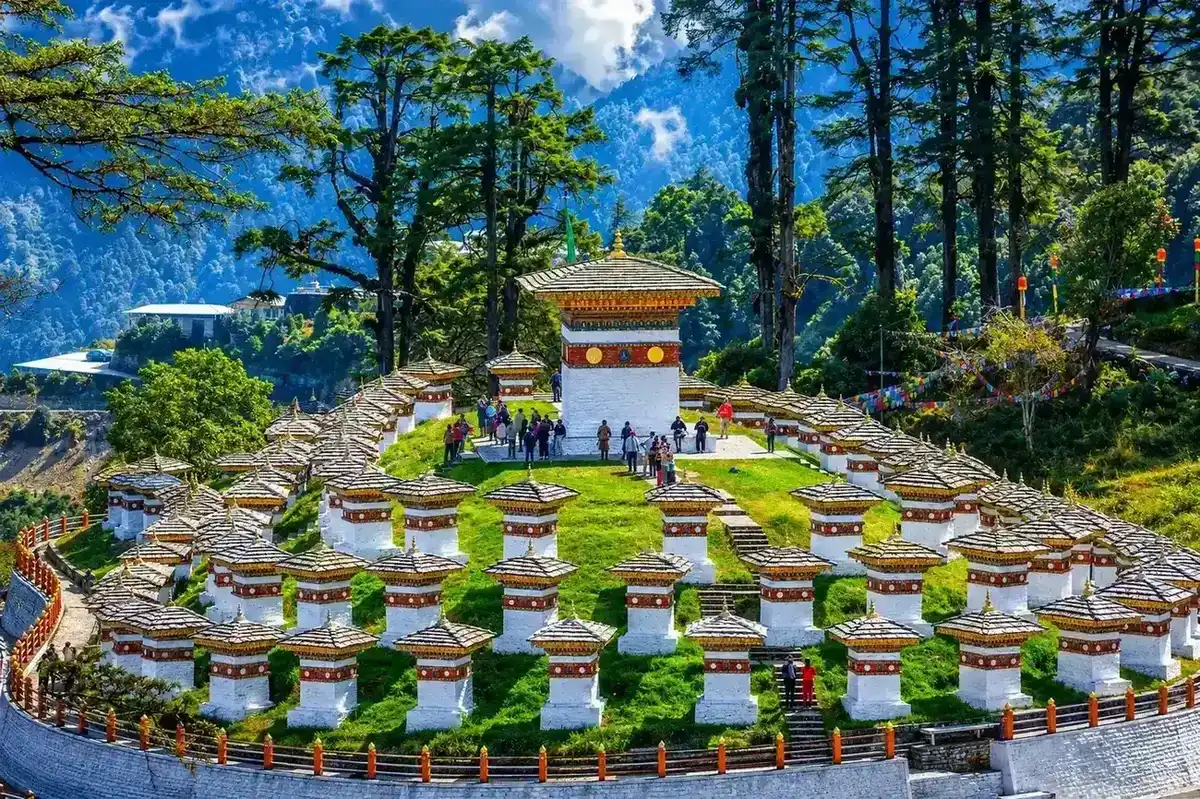
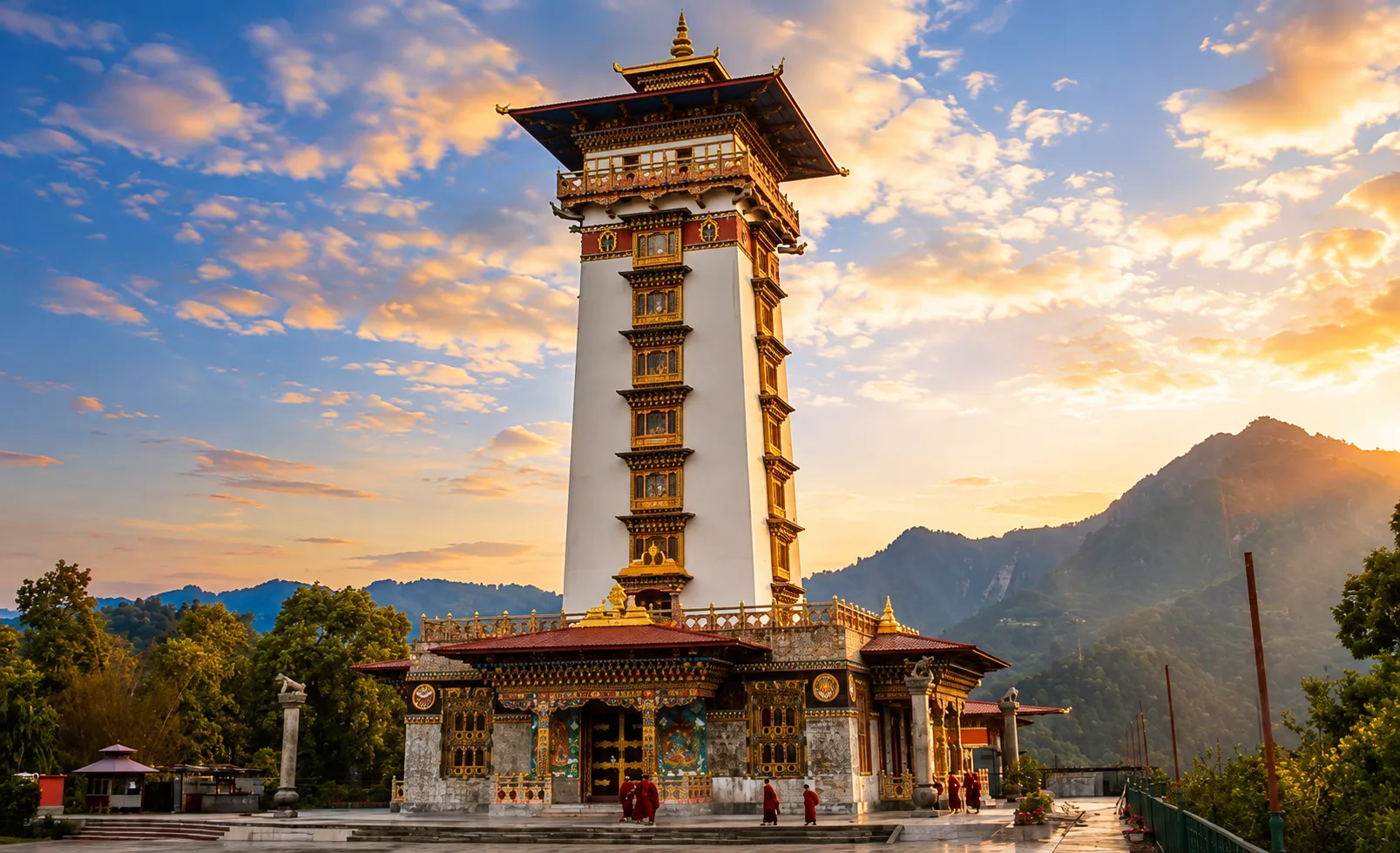
108 memorial stupas, with the Himalaya behind them on a clear morning.
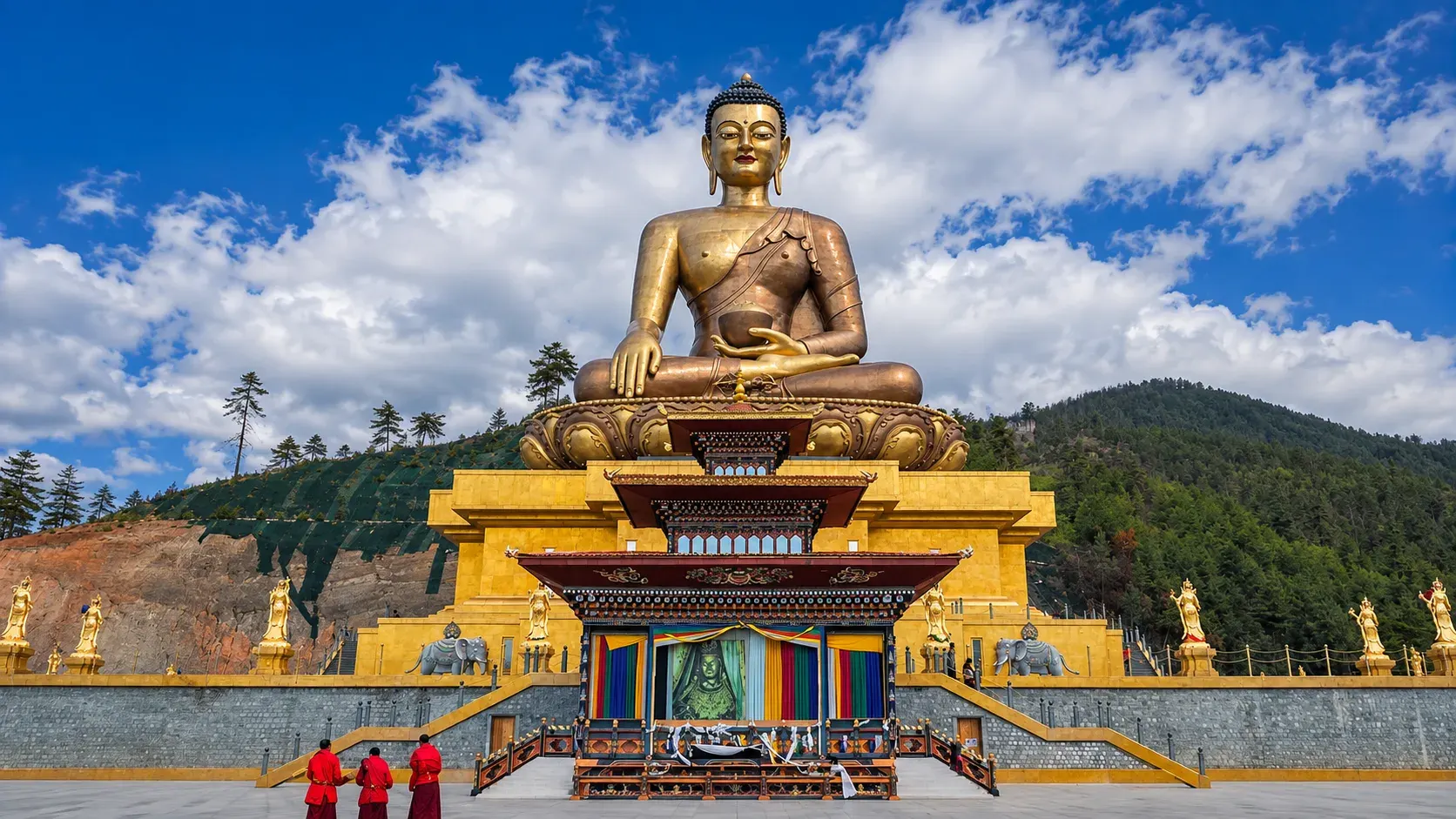
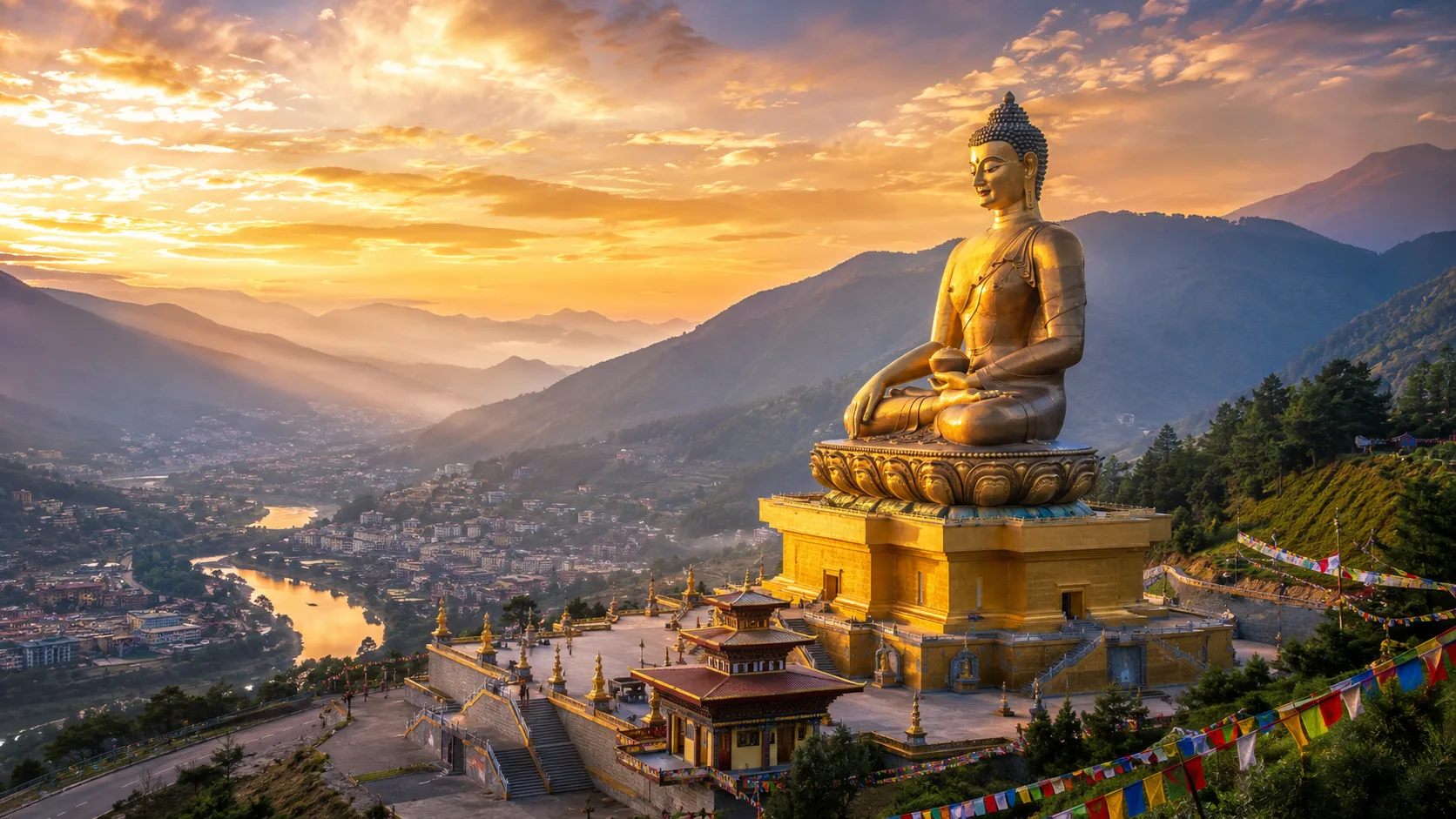
A 51-metre gilded Buddha above Thimphu valley.
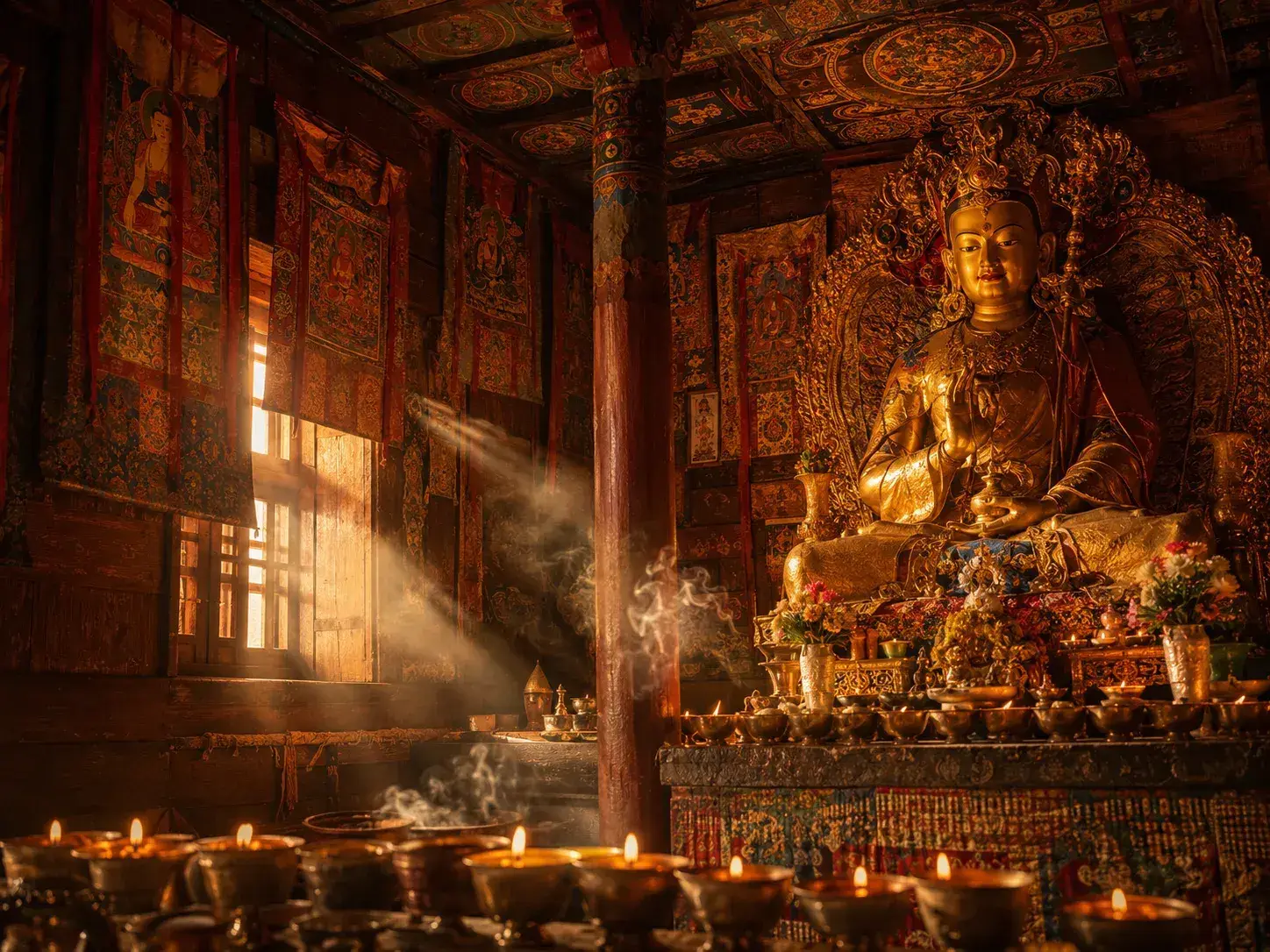
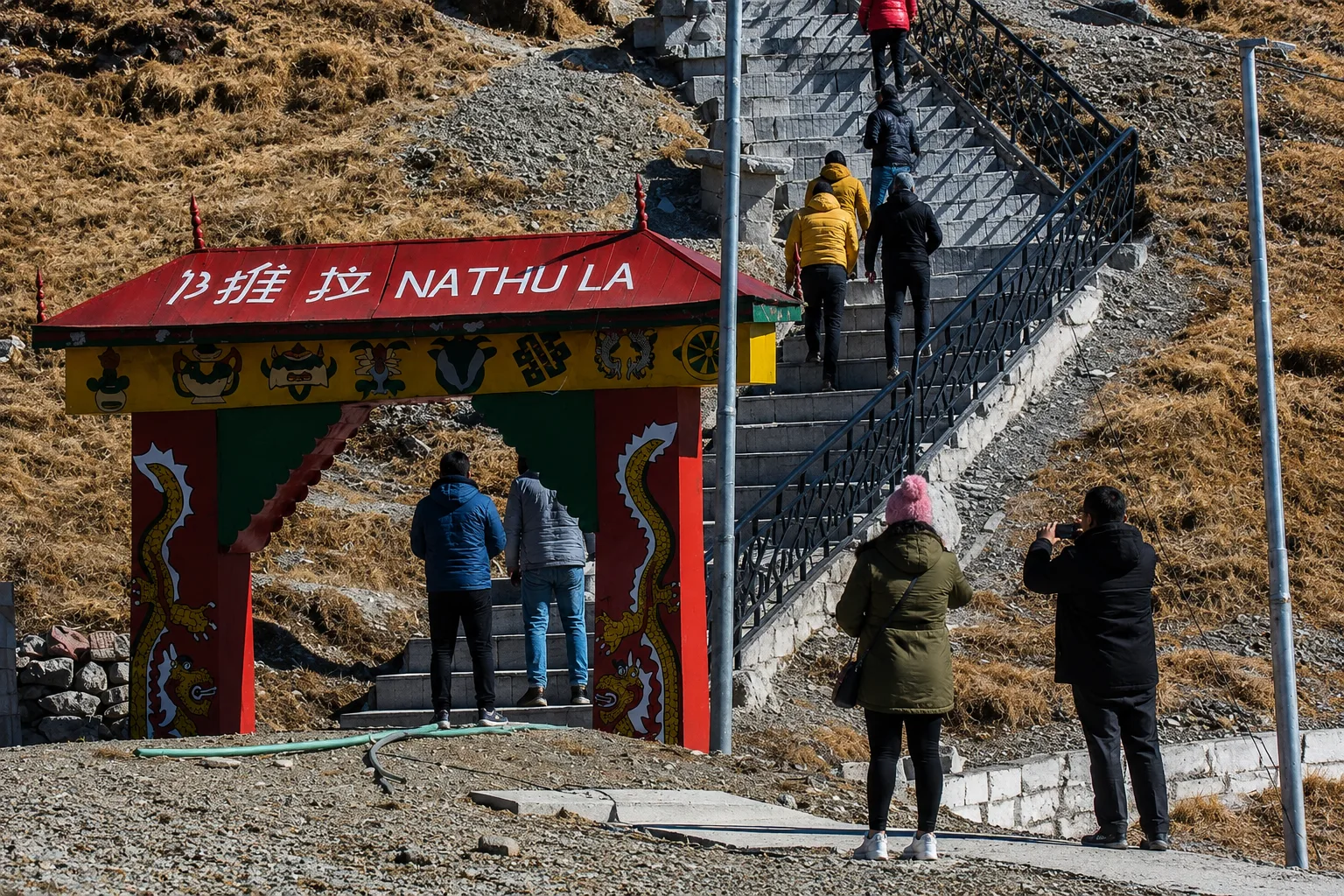
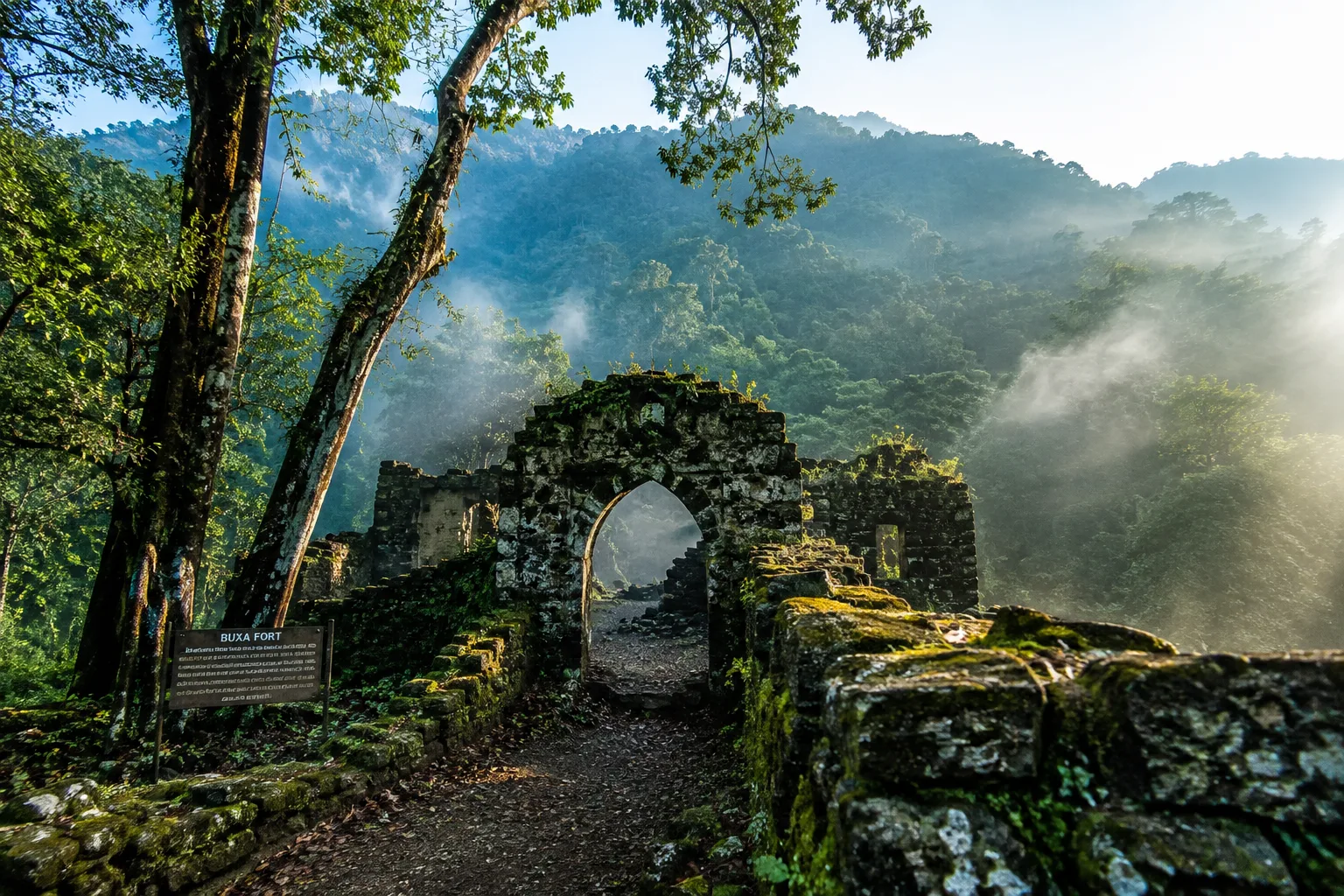
No visa is required. Indian nationals need an entry permit, issued at Phuentsholing, using a valid passport or Voter ID card and passport-sized photographs. Travel beyond Thimphu and Paro also needs a route permit. We arrange both — our office is beside the permit office.
The Sustainable Development Fee is a daily charge set by the Bhutanese government. Indian nationals pay a concessional rate and children receive further reductions. The current amount is confirmed in your quote before you pay anything, since government rates are revised from time to time.
A steady uphill walk of four to five hours return on a well-used path. Reasonable fitness is enough, and ponies are available for the first half. Start early to avoid the afternoon crowds.
March to May is mild with clear skies and rhododendrons. September to November gives the sharpest mountain views. June to August is monsoon, with rain and occasional roadblocks. December to February is cold, very clear and quiet.
Yes, and it is worth planning around. Paro Tshechu in spring and Thimphu Tshechu in autumn are the largest. Hotels fill months ahead, so tell us early if a festival matters to you.
Send your dates. We arrange the permits and send a route back within 24 hours.